The Case for Buying Less and Wearing Better: A Practical Guide to the European Capsule Wardrobe
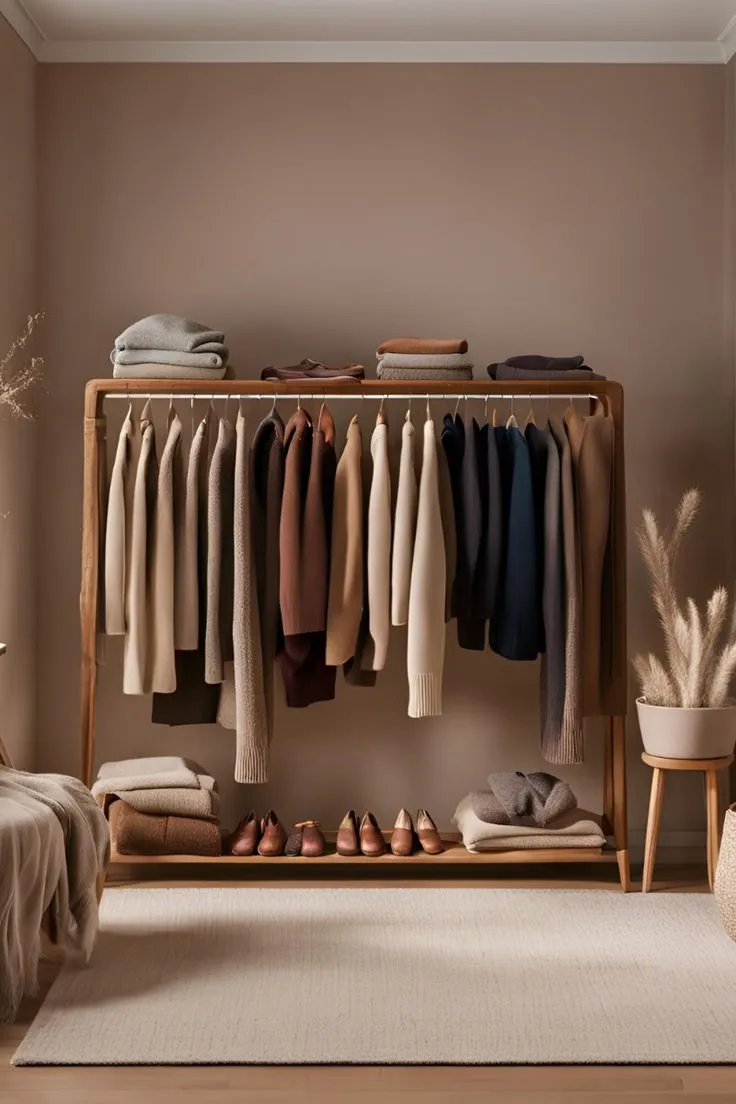
Photo: minimalist European capsule wardrobe flatlay neutral tones cashmere blazer leather loafers, via i.pinimg.com
European dressing is not about following trends — it is about cultivating a relationship with clothing that is both deeply personal and refreshingly practical. For busy Americans accustomed to the relentless churn of fast fashion, adopting a capsule wardrobe rooted in Continental principles offers a compelling path to a more intentional, elegant, and ultimately more affordable way of getting dressed.
The average American purchases approximately 65 garments per year, most of which are worn fewer than seven times before being discarded. European consumers, by contrast, tend to buy less frequently, spend more per item, and retain pieces for significantly longer. The difference is not merely economic — it reflects a fundamentally different philosophy about what clothing is for.
What the Europeans Understand That We Often Miss
At its core, the European approach to dressing is predicated on a simple idea: a well-chosen garment, made from quality materials, will serve you better over a decade than a wardrobe full of disposable pieces that lose their shape after three washes.
This is not elitism. It is arithmetic. A $300 cashmere sweater worn 150 times costs $2 per wear. A $40 acrylic alternative worn 12 times before pilling costs more than $3 per wear — and ends up in a landfill. European consumers, particularly in France, Italy, and Scandinavia, have long internalized this calculation. Americans are only now beginning to catch up.
Building a capsule wardrobe in the European tradition requires a shift in both mindset and methodology. The goal is not to own fewer clothes because you cannot afford more. The goal is to own fewer clothes because you have chosen better ones.
The Parisian Foundation: Neutral, Versatile, Eternally Relevant
No conversation about European style is complete without acknowledging the Parisian aesthetic — arguably the most influential and most misunderstood approach to dressing in the world. The stereotype of the effortlessly chic Frenchwoman is, like most stereotypes, an oversimplification. But the underlying principles it points toward are genuinely useful.
Parisian dressing is built on a neutral foundation. Navy, ivory, camel, black, and warm grey form the backbone of the wardrobe. Into this palette, one or two accent pieces — a silk scarf in a muted print, a structured handbag in cognac leather, a single statement earring — introduce personality without disrupting the overall harmony.
For Americans building a Parisian-inspired capsule, the following investment pieces merit serious consideration:
- A well-cut trench coat in beige or camel, ideally in cotton gabardine or a wool blend. This single garment will carry you through three seasons and elevate virtually every outfit beneath it.
- A pair of straight-leg dark denim jeans in a mid-rise cut. Avoid distressing and excessive fading — the Parisian preference is for clean, unfussy denim that reads as almost tailored.
- A fine-knit cashmere or merino crewneck sweater in ivory or soft grey. This is perhaps the single most versatile piece in the European wardrobe.
- A white or pale blue cotton button-down shirt, slightly oversized, with a collar that sits cleanly. Tucked in, half-tucked, or layered under a blazer, it performs reliably in almost any context.
- A pair of clean leather loafers or low-heeled ankle boots in black or tan. European women rarely wear athletic footwear outside of athletic contexts — the choice of shoe is considered an extension of overall presentation.
Scandinavian Principles: Function, Form, and Considered Minimalism
Where Parisian style is warm and romantic, Scandinavian fashion is cool and architectural. Designers from Copenhagen, Stockholm, and Oslo have spent decades demonstrating that restraint is not the same as austerity — that a wardrobe stripped of excess can still be rich in texture, proportion, and quiet sophistication.
The Scandinavian capsule wardrobe tends toward monochromatic dressing: a single color or closely related tones worn head to toe, creating a visual coherence that reads as both modern and polished. Textures are layered thoughtfully — a chunky wool knit over a fine ribbed turtleneck, wide-leg tailored trousers paired with a sleek fitted top.
For American consumers, Scandinavian brands such as Arket, COS, and & Other Stories offer accessible entry points into this aesthetic. Their price points are not inexpensive by fast-fashion standards, but the construction quality and longevity of their pieces justify the investment many times over.
Key Scandinavian principles to carry into your wardrobe:
- Prioritize fit above all else. A garment that fits beautifully will always look more expensive than one that does not, regardless of what it cost.
- Invest in outerwear. In Scandinavian climates — and, indeed, in much of the northern United States — a coat is the first thing the world sees. Make it count.
- Embrace texture as a substitute for pattern. A boucle jacket, a ribbed knit, a brushed flannel trouser — these add visual interest without the trend-dependent quality of printed fabrics.
Mediterranean Warmth: Color, Craft, and Confident Individuality
The Mediterranean approach — encompassing Italian, Spanish, and Greek sensibilities — brings warmth and a degree of expressive confidence that both the Parisian and Scandinavian aesthetics tend to suppress. Italian dressing, in particular, is characterized by an appreciation for craft: the quality of a seam, the weight of a fabric, the precise cut of a jacket lapel.
Where the Parisian wardrobe is built on restraint and the Scandinavian on minimalism, the Italian wardrobe permits a little more joy. A terracotta linen blazer in summer, a rich burgundy wool coat in winter, a pair of beautifully made leather gloves — these are the kinds of pieces that Italians reach for instinctively and Americans often overlook.
For those wishing to incorporate Mediterranean energy into a capsule wardrobe, the advice is simple: choose one or two pieces per season that carry genuine color or craft interest, and allow the rest of the wardrobe to support them. A cobalt blue silk blouse worn with neutral trousers and simple flats is a Mediterranean lesson in confident simplicity.
The Psychological Dividend of Dressing with Intention
Beyond the practical and financial arguments for a European-style capsule wardrobe, there is a psychological case worth making. Decision fatigue — the mental exhaustion produced by an excess of choices — is a documented phenomenon, and the wardrobe is one of its most common domestic triggers.
When every item in your closet is something you genuinely wear, something that fits well and makes you feel composed, the morning routine becomes markedly less fraught. You are not searching for something that works among a sea of things that do not. You are simply choosing between options that have already been curated to serve you.
This is, ultimately, what the European capsule wardrobe offers the busy American: not a fashion statement, but a form of daily ease. The elegance it produces is real, but it is almost incidental. The true gift is time — the minutes reclaimed each morning when getting dressed is no longer a negotiation with a chaotic closet but a quiet, considered act.
Building Your Capsule: A Starting Framework
For those ready to begin, the following framework provides a practical starting point. Aim for approximately 30 to 40 items in total, including shoes and outerwear:
- 5 tops (mix of fine knits, button-downs, and simple blouses)
- 3 pairs of trousers or skirts (one tailored, one relaxed, one in a warmer fabric for winter)
- 2 pairs of denim (one dark, one mid-wash)
- 3 dresses or jumpsuits (appropriate for both casual and semi-formal occasions)
- 2 blazers or structured jackets
- 2 coats (one lightweight, one heavy)
- 5 pairs of shoes (loafers, ankle boots, white sneakers, sandals, one heel or dressy flat)
- Accessories (2-3 scarves, 1-2 quality handbags, minimal jewelry in gold or silver)
Resist the impulse to acquire everything at once. The most considered European wardrobes are built slowly, piece by piece, over years. That patience is itself a form of elegance — and at Lemes & Co., it is one we wholeheartedly encourage.