Lingering at the Table: Designing a Backyard Dining Experience Worthy of a European Summer
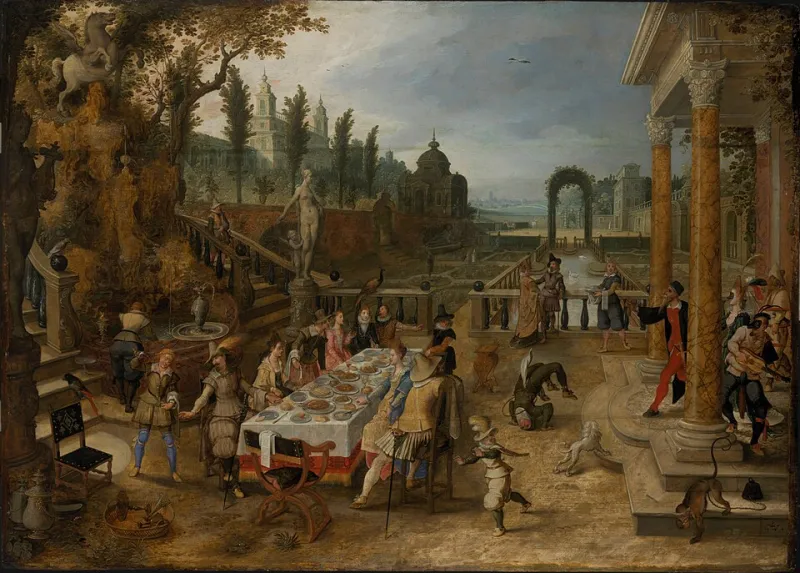
Photo: Sebastiaen Vrancx, Public domain, via Wikimedia Commons
There is a particular quality to a summer evening in the south of France, or along the Amalfi Coast, or even in a Danish garden in the long Nordic twilight: time seems to slow, conversation deepens, and the table itself becomes the destination rather than merely a place to eat. This is not accidental. Europeans have long understood that outdoor dining, done with intention, is one of the finest expressions of hospitality. The good news is that this sensibility travels beautifully—and your own backyard, however modest, is a perfectly worthy canvas.
Begin with the Foundation: Choosing the Right Table and Seating
The European al fresco table is rarely pristine or perfectly matched. It tends toward the collected—a weathered farm table, mismatched bistro chairs, a long wooden bench paired with upholstered stools. What unifies the look is quality of material rather than uniformity of style. When selecting outdoor furniture, prioritize natural materials: teak, wrought iron, rattan, or powder-coated steel. These age gracefully and communicate a sense of permanence that plastic alternatives simply cannot.
For smaller American backyards or apartment terraces, a round table encourages the kind of intimate, circular conversation that defines Mediterranean dining. Larger spaces benefit from a long rectangular table—the kind that seats eight or ten and signals, from the moment guests arrive, that no one is expected to leave early.
Dress the Table with Intention
Perhaps no single element transforms an outdoor table more immediately than linen. In Europe, tablecloths and napkins in natural fibers—linen, cotton, or a blend of both—are considered essential, even for informal suppers. These materials breathe in warm weather, launder beautifully, and carry a relaxed elegance that synthetic alternatives cannot replicate.
For American summers, which can be unforgiving with humidity and afternoon thunderstorms, seek out stonewashed or pre-washed linen blends. These resist wrinkles admirably and dry quickly after an unexpected shower. Opt for colors drawn from the European landscape: the dusty terracotta of Tuscan hillsides, the faded sage of a French country kitchen, the warm ivory of Scandinavian linen rooms. Avoid overly bright or novelty prints, which tend to read as festive rather than refined.
Napkins deserve particular attention. In European tradition, cloth napkins are folded simply—no elaborate origami—and placed directly on the plate or beside it. This small gesture signals to guests that the meal is considered, that someone has thought about their comfort.
Tableware: Collected, Not Coordinated
Authentic European table settings rarely emerge from a single box set. Instead, they reflect years of accumulation: a set of Portuguese hand-painted ceramic plates, wine glasses from a Parisian flea market, mismatched vintage silverware. This curated imperfection is precisely the point. It suggests a life lived with taste rather than a table dressed for a catalog shoot.
For those building an outdoor collection from scratch, consider investing in a durable ceramic or stoneware dinner plate in a neutral glaze—white, cream, or a soft blue-gray. These serve as a versatile foundation. Layer in textured glassware, simple stainless or silver-plate flatware, and one or two serving pieces in a complementary material, such as wooden salad servers or a marble cheese board. The goal is a table that looks curated without appearing labored.
For beverages, resist the temptation of plastic tumblers, even outdoors. Shatterproof acrylic wine glasses have improved significantly in quality and appearance, and several European-inspired brands now offer options that are virtually indistinguishable from glass at a glance.
Atmosphere: Light, Scent, and Sound
The ambiance of a European summer table is inseparable from its sensory environment. In Provence, dinner is accompanied by the sound of cicadas and the scent of lavender drifting from nearby fields. In Scandinavia, the lingering evening light does much of the work, casting everything in a golden warmth that requires little additional decoration.
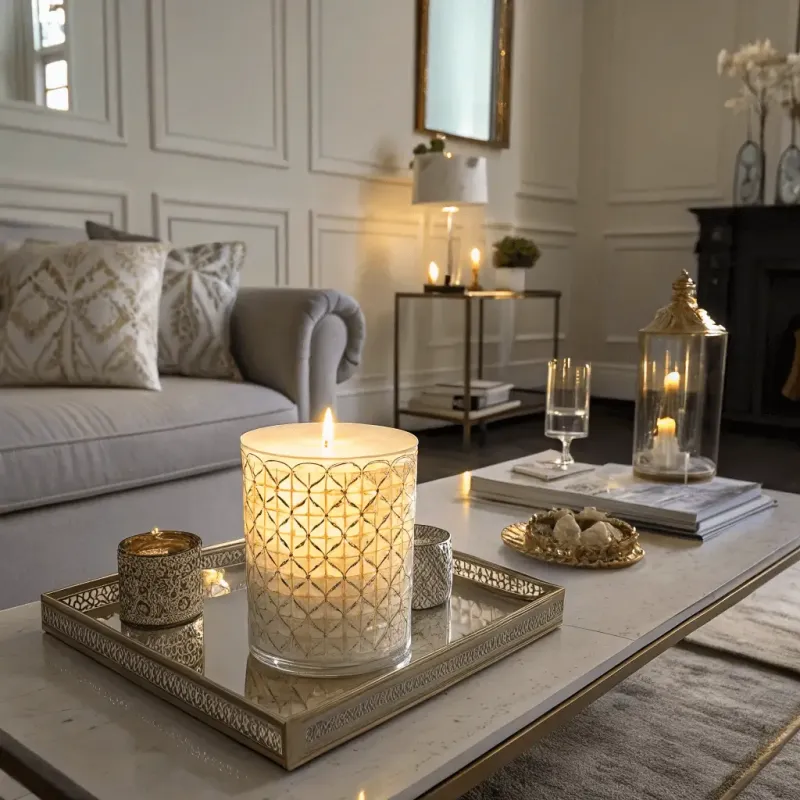
In an American backyard, you have the opportunity to engineer these conditions deliberately. Begin with lighting. String lights—the warm-toned, Edison-bulb variety rather than cool LED—draped overhead or wound through nearby trees create an immediate sense of occasion. Pillar candles set in hurricane lanterns or simple glass cylinders anchor the table itself, providing both illumination and a focal point. If your climate permits, a cluster of citronella candles positioned slightly away from the table addresses the perennial American summer concern of insects without overwhelming the dining area with their scent.
For fragrance, consider potted herbs positioned near the table: rosemary, lavender, thyme, and basil all release their scent gently in the evening warmth and serve the dual purpose of providing fresh ingredients for your meal. A simple playlist of acoustic European music—French café jazz, Italian classical guitar, Nordic folk—completes the sensory picture without demanding attention.
The Menu Philosophy: Simple, Seasonal, Generous
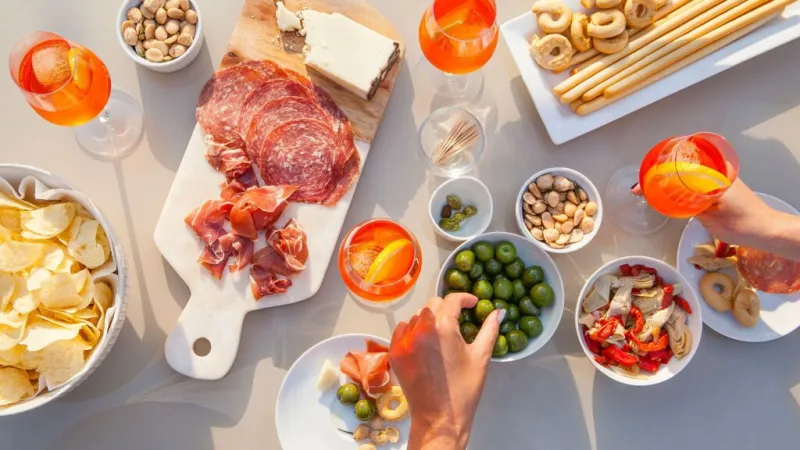
No amount of beautiful tableware will compensate for a meal that feels rushed or overly complicated. The European outdoor dining tradition prizes simplicity: a long antipasto or charcuterie spread to begin, a single well-prepared main dish, good bread, and a cheese course before dessert. The emphasis is on quality of ingredient rather than complexity of preparation, which has the additional advantage of allowing the host to remain present at the table rather than disappearing repeatedly into the kitchen.
For American hosts, this translates beautifully to summer's natural abundance. A farmers' market visit the morning of a dinner party yields the kind of peak-season produce—heirloom tomatoes, fresh corn, stone fruit—that requires very little intervention to become extraordinary. Serve wine generously and keep a pitcher of cold water on the table at all times.
The Most Important Ingredient: Permission to Linger
Ultimately, the European al fresco table is less about any particular object or arrangement and more about a cultural permission to remain seated, to let the conversation wander, to allow the evening to extend well past the last course. This is perhaps the most radical reorientation for American hosts, who often feel the social pressure to keep things moving.
Consider the table your gift to your guests: a space designed not for efficiency but for ease. When the food is finished, bring out a simple digestif—a limoncello, an amaro, a good brandy—and let the evening find its own conclusion. That, more than any linen or ceramic plate, is the true spirit of the European summer table.