Room by Room, Season by Season: Curating a Home Fragrance Wardrobe in the European Tradition
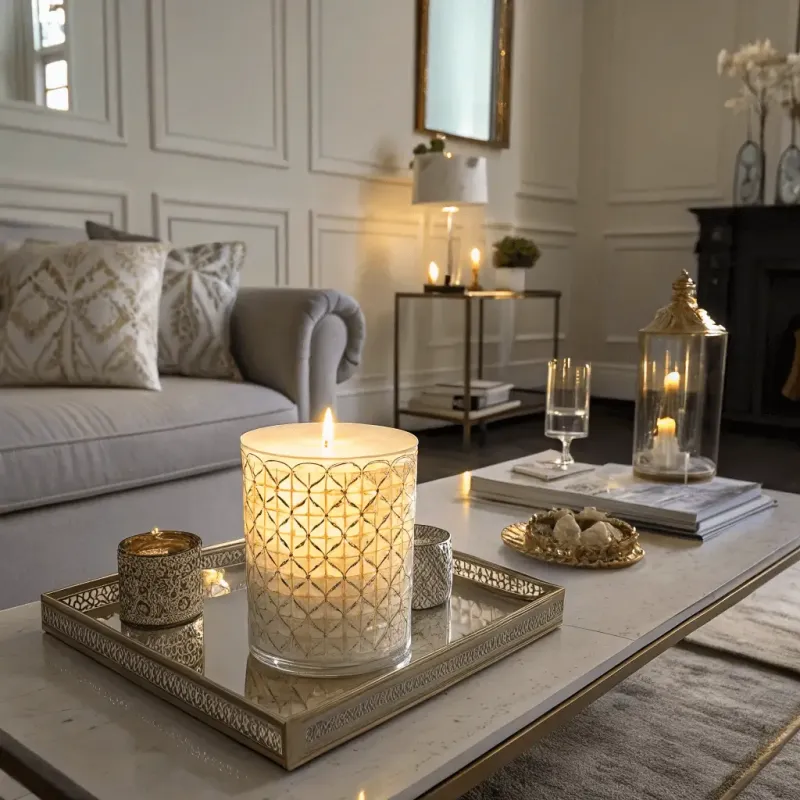
Photo: luxury scented candles home fragrance European minimalist interior, via diyaus.net
Walk into the home of a thoughtful European host and you will notice, before you see anything clearly, that the space has a scent. Not an aggressive or artificial perfume, but something layered and considered—beeswax candles, perhaps, mingling with the faint trace of dried herbs from the kitchen, underscored by the clean wood of old furniture. It is not accidental. In European domestic culture, home fragrance is understood as an element of interior design rather than an afterthought, as deliberate in its selection as the color of a wall or the weight of a curtain.
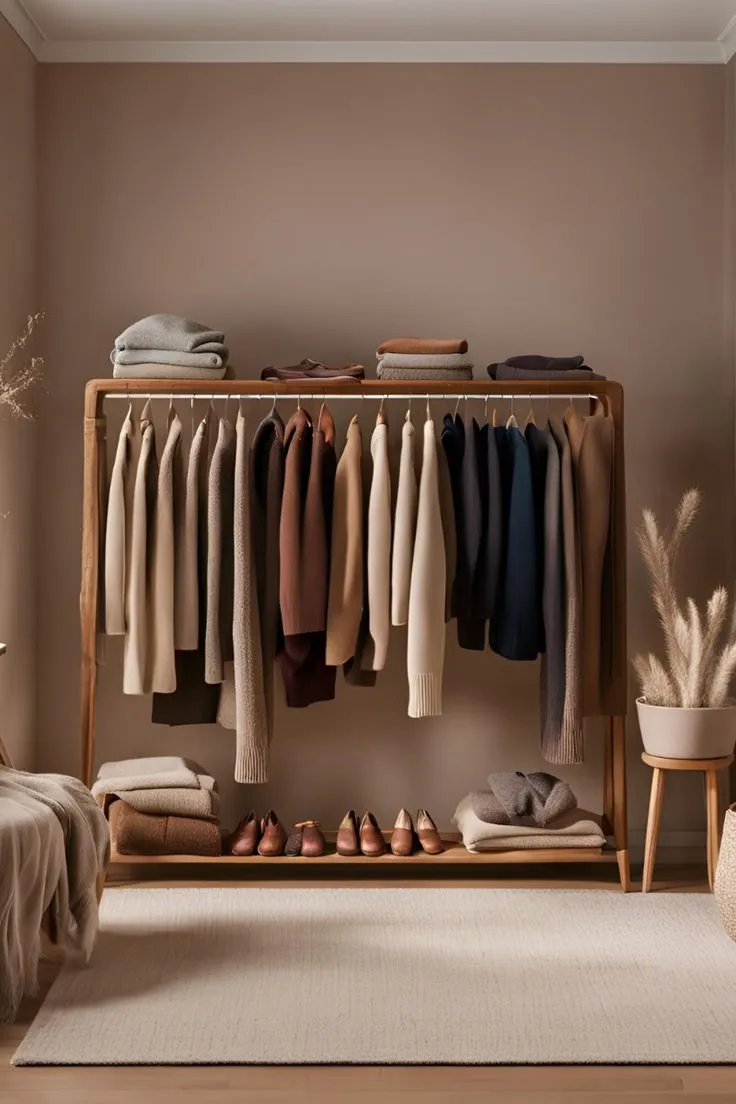
For American homeowners accustomed to reaching for a seasonal candle at the checkout counter or plugging in a synthetic air freshener, this represents a genuine shift in perspective—and a deeply rewarding one. The concept of a fragrance wardrobe, borrowed from the language of personal style, offers a useful framework: just as one curates clothing for different occasions and seasons, one can curate scent for different rooms and times of year.
Why Scent Matters More Than You Think
Before discussing specific fragrances, it is worth pausing on the psychology of scent in domestic spaces. Research consistently demonstrates that olfactory stimuli have a more direct pathway to emotional memory and mood than any other sense. The right fragrance in a bedroom can genuinely improve sleep quality. A particular scent in a home office can sharpen focus. The aroma that greets guests at the front door shapes their emotional impression of your home before a single word is exchanged.
European hosts have understood this intuitively for generations. In France, the tradition of the bougie parfumée—the scented candle—elevated from grocery store novelty to artisanal luxury is now a global industry. In Scandinavia, the concept of hygge is inseparable from sensory warmth, of which scent is a central component. In Italy and Spain, open windows and fresh herbs serve as the most natural form of home fragrance, a philosophy that is both elegant and economical.
Building your own fragrance wardrobe begins with understanding that no single scent should dominate every room. Variety, restraint, and intentionality are the guiding principles.
The Entryway: First Impressions in Fragrance
European Inspiration: The grand Parisian apartment entry, or the stone-floored hallway of an English country house.
Recommended Scents: Green tea, white florals, light citrus, or fresh linen.
The entryway is the olfactory handshake of your home. The scent here should be welcoming but not overwhelming—something that signals cleanliness, care, and a certain understated confidence. Avoid heavy or sweet fragrances in this transitional space, as they can feel suffocating rather than inviting.
A reed diffuser works particularly well in entryways, providing a consistent, low-level fragrance without the fire risk of an unattended candle. Look for European-made diffusers featuring notes of bergamot, neroli, or green leaves—fragrances that feel fresh and gender-neutral, appropriate for any guest.
Seasonal adjustment: In autumn and winter, shift toward a slightly warmer register—a hint of sandalwood or amber beneath a citrus top note bridges the seasons gracefully.
The Living Room: The Heart of Hospitality
European Inspiration: The Tuscan salotto, the Viennese drawing room, the cozy Danish stue.
Recommended Scents: Fireside woods, beeswax, amber, tobacco flower, or aged leather.
The living room is where fragrance can be most expressive. This is the space for your finest candles—those worth the investment in quality wax, a well-crafted wick, and a complex fragrance composition. European candle houses such as those from Grasse, the perfume capital of France, or the artisanal workshops of Copenhagen and Milan, have refined the art of the scented candle to a remarkable degree. Seek out options with pure soy or beeswax bases and fragrance oils derived from natural materials.
For summer months, lighten the living room fragrance considerably: white flowers, Mediterranean herbs, or a coastal accord of sea salt and driftwood. For the long American winter, lean into warmth—cedar, clove, frankincense, or a classic fireplace accord that conjures a European hearth even in a central-heated apartment.
The Kitchen: Restraint and Freshness
European Inspiration: The Provençal farmhouse kitchen, the Italian cucina with its bundles of dried herbs.
Recommended Scents: Lemon verbena, basil, rosemary, thyme, or fresh bread.
In the kitchen, the wisest approach is frequently the most natural one. Potted herbs on the windowsill—rosemary, basil, thyme, lemon thyme—provide a living fragrance that shifts gently as you brush against them while cooking. This is the Provençal tradition at its most practical and its most beautiful.
When a more deliberate fragrance is desired, choose something clean and green rather than sweet or heavily floral, which can compete uncomfortably with cooking aromas. A subtle lemon verbena room spray, applied before guests arrive, freshens the kitchen air without announcing itself.
The Bedroom: Calm, Depth, and Ritual
European Inspiration: The lavender-scented linen closets of Provence, the clean simplicity of a Swedish summer cottage bedroom.
Recommended Scents: Lavender, chamomile, sandalwood, vetiver, or soft musk.
The bedroom fragrance wardrobe is perhaps the most personal of all. Here, the goal is not to impress guests but to support the rituals of rest and renewal. Lavender—specifically the true lavender of Haute-Provence, Lavandula angustifolia, rather than its more pungent hybrid relatives—has been used in European bedrooms for centuries with good reason. Its calming properties are well-documented, and its scent is subtle enough to recede into the background as one drifts toward sleep.
A linen spray applied to pillowcases before bed is a small, deeply civilized habit worth adopting. Beyond lavender, consider sandalwood or vetiver for autumn and winter evenings—these warmer, earthier notes create a sense of cocooned security that pairs beautifully with the season.
The Home Office or Study: Focus and Clarity
European Inspiration: The scholar's library, the Scandinavian design studio.
Recommended Scents: Eucalyptus, peppermint, rosemary, pine, or cool citrus.
For spaces dedicated to concentration and creative work, fragrance should be invigorating rather than sedating. Northern European traditions offer particular inspiration here: the clean, resinous scents of pine forests, the bracing clarity of eucalyptus, or the sharp brightness of cold-pressed lemon. These fragrances have been shown to support alertness and cognitive clarity.
A small diffuser with a rotating selection of essential oils is an ideal solution for a home office—easy to adjust based on the demands of the workday and unobtrusive in a professional video call background.
Building Your Wardrobe: Practical Principles
As you assemble your home fragrance collection, a few guiding principles will serve you well:
- Invest in quality over quantity. Two or three exceptional candles will serve you better than a dozen mediocre ones. European fragrance houses typically use higher concentrations of natural materials, which produce a more complex and longer-lasting scent.
- Allow fragrances to transition between seasons. Do not feel obligated to make abrupt switches. Let a summer fragrance linger into early autumn, and introduce winter scents gradually in October.
- Mind the proportion of the space. A large pillar candle appropriate for an open-plan living room may overwhelm a small bathroom. Reed diffusers and room sprays offer more controllable intensity.
- Create coherence, not uniformity. Your home's fragrance wardrobe should feel like a unified collection—different notes, but a consistent aesthetic sensibility, much like a well-edited personal wardrobe.
Scent, at its finest, is invisible hospitality. It shapes how your home feels before anyone has fully registered why. In the European tradition, this is not a luxury but a considered element of daily life—and one that is entirely within reach, one beautifully chosen candle at a time.