From Functional to Sublime: The European Approach to Bathroom Wellness at Home
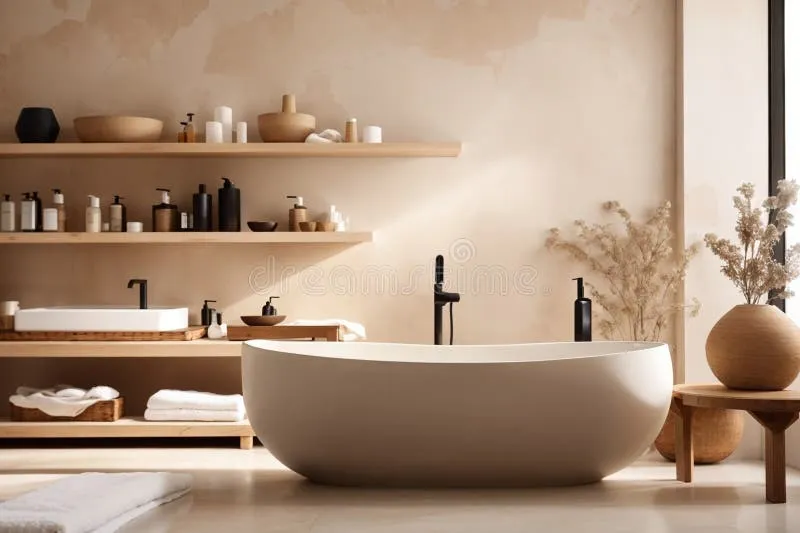
Photo: minimalist European spa bathroom natural stone ceramic tiles linen towels, via thumbs.dreamstime.com
For many American households, the bathroom is a room defined almost entirely by efficiency. It is where mornings begin in haste and evenings end without ceremony. Yet travel through the spa towns of Baden-Baden, the thermal bath cities of Hungary, or the meticulously appointed hotel rooms of Lisbon and Milan, and you will encounter a fundamentally different relationship with this intimate space. The European bathroom is, at its best, a sanctuary—a place where the rhythms of daily hygiene are elevated into something closer to ritual.
At Lemes & Co., we believe that this sensibility is not reserved for those who travel abroad or renovate extensively. It is, in fact, accessible to anyone willing to be deliberate about what they bring into this often-overlooked room.
The Philosophy Behind the Aesthetic
European bathroom design—particularly in countries such as Germany, Sweden, France, and Portugal—tends to operate on a principle of considered restraint. Rather than filling counter space with dozens of products, the emphasis falls on fewer, better things. A single bar of cold-pressed Marseille soap. A linen hand towel in a natural ecru. A ceramic dish that holds a wooden-handled razor with quiet dignity.
This is not minimalism for its own sake. It is, rather, the result of a cultural preference for quality over accumulation—an aesthetic sensibility that prizes materials which age gracefully and objects that earn their place through genuine usefulness. The visual result is calm, and that calm is itself therapeutic.
Before purchasing a single new item, consider conducting a thoughtful edit of what currently occupies your bathroom. Remove anything that has outlived its purpose. What remains should be functional, beautiful, or—ideally—both.
Materials That Speak Quietly
One of the most immediate ways to shift the character of a bathroom is through material selection. European interiors have long favored natural stone, unglazed ceramic, and warm-toned plaster over the high-gloss surfaces that dominated American bathroom design for much of the late twentieth century.
If a full renovation is not within reach, smaller material upgrades can still make a meaningful difference. Consider replacing plastic soap dispensers with vessels in hand-thrown stoneware or brushed brass. Swap out synthetic bath mats for ones woven from Turkish cotton or organic linen—materials that soften with each wash rather than deteriorating. If your budget allows for any surface updates, Portuguese encaustic cement tiles or Scandinavian-inspired matte ceramic wall tiles introduce texture and depth that synthetic alternatives simply cannot replicate.
Natural wood accents—a teak bath caddy, a beech-handled brush, a solid oak shelf—bring warmth to a room that is often dominated by cold hard surfaces. These materials reference the European tradition of connecting interior spaces to the natural world, even in the most urban of apartments.
The Skincare Ritual as Daily Practice
Perhaps the most transferable aspect of European bathroom culture is its approach to grooming itself. In France, the concept of soin (care) extends far beyond the cosmetic. A French woman's skincare routine is not about transformation but about maintenance—a daily act of attentiveness toward oneself that is valued regardless of age or circumstance.
This perspective stands in notable contrast to the American wellness market, which often frames skincare as aspirational and product-intensive. The European approach asks instead: what are the two or three steps that genuinely serve your skin, and can you perform them with enough presence that they feel restorative rather than rushed?
For those building or refining a bathroom ritual, consider anchoring it around a small number of well-sourced products. European apothecary brands—many of which have been formulating with botanical ingredients for well over a century—offer cleansers, serums, and balms that prioritize ingredient integrity over marketing spectacle. Look for products from heritage French pharmacies, German natural cosmetics houses, or Scandinavian brands working with cold-climate botanicals. Many are now readily available through specialty retailers in the United States or via direct shipping.
The act of application matters as much as the product itself. Take an extra sixty seconds. Use the moment to breathe deliberately. This is not indulgence—it is, by European standards, simply good sense.
Creating the Atmosphere of a Spa at Home
European spa culture—rooted in centuries of thermal bathing tradition—understands that atmosphere is not peripheral to wellness but central to it. Temperature, light, scent, and sound all contribute to whether a space feels restorative or merely functional.
In practical terms, this means paying attention to lighting. Overhead fluorescent fixtures are the enemy of bathroom serenity. Where possible, introduce warm-toned bulbs or supplement with a small candle or two placed at counter height. The difference in ambiance is immediate and striking.
Scent deserves equal consideration. A room diffuser with a restrained, botanical fragrance—cedarwood, eucalyptus, or white tea—can subtly shift the sensory register of the space. Avoid synthetic air fresheners, which tend to signal urgency rather than calm. The European preference, particularly in Scandinavian and Alpine traditions, leans toward clean, green, and gently herbal.
Finally, invest in textiles of genuine quality. A thick, well-woven bath sheet in Egyptian or Turkish cotton transforms the simple act of drying off into something pleasurable. It is a small thing, and yet it is the kind of small thing that compounds—that makes one's daily routine feel, over time, like a life well tended.
A Room Worth Returning To
The European bathroom, at its finest, is not a room one rushes through. It is a room one returns to with a degree of anticipation—a private retreat that signals, through its materials and its order, that the person who inhabits it values their own comfort and well-being.
Building that kind of space does not require a significant budget or a dramatic renovation. It requires, instead, a shift in perspective: from the bathroom as utility to the bathroom as sanctuary. Begin with one deliberate choice. A better soap. A linen towel. A moment of stillness before the day begins.
At Lemes & Co., we curate objects and ideas that support exactly this kind of considered living—bringing the elegance of European domestic tradition to American homes, one beautifully appointed room at a time.