A Room Worth Returning To: Designing a Home Study in the European Tradition

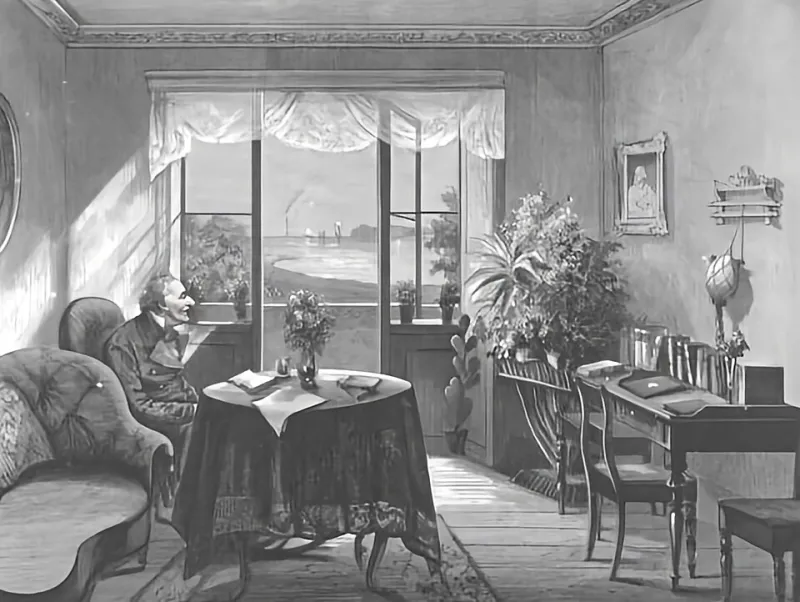
Photo: cozy European home library study dark wood shelves books warm lamp, via thumbs.dreamstime.com
Somewhere in the popular imagination, the ideal workspace is a standing desk beside a floor-to-ceiling window, bathed in natural light, stripped of clutter, optimized for productivity. It is a vision that is very American in its orientation—efficient, forward-facing, unambiguous in its purpose. There is nothing wrong with it, precisely. But there is something missing from it, too.
The European study—the kind found in Georgian townhouses in Edinburgh, in Haussmann apartments in Paris, in centuries-old villas outside Florence—operates according to an entirely different philosophy. It is not designed for maximum output. It is designed for maximum presence. The difference, it turns out, changes everything about how a room feels and what it enables its occupant to do.
For Americans increasingly fatigued by the relentless efficiency of modern work culture, the European study offers something genuinely restorative: a model of the workspace as sanctuary, a room that asks you to slow down before it asks you to produce.
The Foundation: Furniture That Earns Its Place
The European study begins with a desk that means something. Not a particleboard surface on adjustable legs, but a piece of furniture with weight, history, and character—something that communicates, through its very presence, that the work done here matters.
This does not require an antique or a significant investment. It requires intention. A solid writing table with visible wood grain, a leather-topped secretary desk, or even a simple but well-proportioned piece in walnut or oak will anchor a room in a way that flat-pack alternatives cannot. The desk should feel substantial underfoot when you pull your chair to it. It should have drawers that open with quiet resistance, not rattle.
The chair deserves equal consideration. The European tradition leans toward upholstered seating at the desk—leather club chairs at writing tables, tufted armchairs beside reading lamps. Comfort is not an afterthought here; it is a design principle. The room should invite you to sit for two hours, not forty-five minutes.
Beyond the primary desk, the well-designed European study typically includes at least one additional seating area: a reading chair positioned near a window or lamp, with a small side table to hold a glass of water or a cup of tea. This secondary seat signals that the room is not only for working—it is for thinking, which sometimes requires a change of position.
Lighting as Atmosphere
Perhaps no single element distinguishes the European study from its American counterpart more decisively than lighting. The overhead fluorescent or recessed LED fixture—so common in American home offices—is, in the European domestic tradition, essentially absent from rooms meant for contemplative work.
Instead, light is layered and directional. A desk lamp with a warm-toned bulb (aim for 2700K or below) provides task lighting without the harshness of cool-spectrum sources. A floor lamp positioned beside the reading chair creates a pool of warm light that defines the space as intimate. Candles—on a side table, on the mantle, on a windowsill—add a flickering dimension that no electric source can replicate.
Natural light is welcomed but managed. Sheer linen curtains filter afternoon sun without eliminating it; heavier drapery in wool or velvet can be drawn in the evening to create a sense of enclosure and warmth. The goal is a room that feels different at different hours—bright and inviting in the morning, amber and cocooning by evening. This variation, subtle as it is, makes the space feel alive.
Books as Architecture
In the European tradition, books are not merely stored in the study—they are displayed as a form of self-portraiture. The arrangement of a shelf communicates taste, curiosity, and intellectual history. It is one of the most personal things a room can contain.
This does not mean every shelf must be meticulously curated or color-coordinated. In fact, the most compelling European libraries tend to look lived-in rather than styled: spines of varying heights and ages, a few objects interspersed among volumes (a small sculpture, a folded letter, a piece of pottery from a trip abroad), books shelved horizontally atop vertical rows when space demands it.
If you are building a study from scratch, invest in proper shelving that reaches toward the ceiling. The verticality is important—it changes the scale of the room and creates a sense of enclosure that low bookcases cannot achieve. A rolling library ladder, if the ceiling height permits, adds both function and a particular kind of romance.
For those with existing collections, the edit is as important as the display. Remove books you have no intention of rereading and have no emotional attachment to. What remains should feel chosen—present in the room because it belongs there, not because it has nowhere else to go.
Sensory Details That Make a Room Stay With You
The European study appeals to more than sight. It is a room experienced through all the senses, and the details that address texture, scent, and sound are what elevate it from a functional space to a genuine sanctuary.
Texture is introduced through layering: a wool rug underfoot, a linen throw folded over the reading chair, leather on the desktop or binding, the grain of wood on the desk surface. These elements invite touch and communicate warmth in a way that smooth, uniform surfaces never can.
Scent is perhaps the most underestimated element of room design. A room that smells of old paper, cedarwood, and beeswax candles communicates something to the brain before a single thought has been thought. Consider a reed diffuser or a room spray with notes of sandalwood, leather, or vetiver—scents associated with intellectual calm rather than domestic freshness. Light a candle before you sit down to work. The ritual itself becomes a signal to the mind that something different is about to happen.
Sound, or rather its absence, is equally considered. Thick rugs absorb ambient noise. Drapery dampens echo. If the room allows, a small clock with an audible tick can paradoxically make silence feel more present rather than less—a metronome for slower thinking.
The American Adaptation
Very few American homes come with a dedicated room that functions as a study in the European sense. But the principles translate readily to a corner of a living room, a converted guest bedroom, or even a thoughtfully arranged section of a larger space.
The key is to treat the area as a distinct environment with its own logic. Define it with a rug. Separate it with a lamp. Give it a bookshelf and a chair that belongs only to it. Create a small ritual around entering it—a cup of tea, a lit candle, the deliberate act of sitting down without a phone.
The European study is, at its most essential, a room that takes seriously the idea that thinking deserves a beautiful place to happen. It is a room that says: what you do here matters. Stay as long as you need.