The Room That Breathes: How Europeans Use Negative Space as a Design Element
The Discomfort of Empty Space
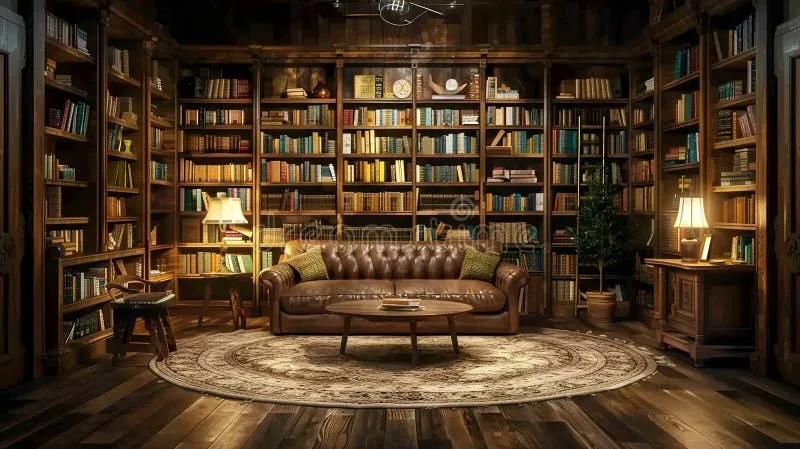
Walk into most American living rooms and you will find a familiar logic at work. Sectional sofas anchor one wall, accent chairs flank the other, side tables multiply beside every seat, and consoles stretch along whatever surface remains. The intention is warmth, comfort, abundance — all admirable instincts. Yet the effect, more often than not, is a room that feels simultaneously crowded and curiously uninviting, as though the furniture itself is competing for attention rather than inviting the people within it to settle and stay.
European homes, by contrast, operate on a different premise entirely. Whether in a spare Copenhagen flat or a sun-bleached Provençal farmhouse, the most elegantly furnished rooms tend to share one defining quality: they contain less than you expect. Not less care, not less quality — less volume. And in that restraint lies a sophistication that Americans are only beginning to appreciate.
Space as a Material
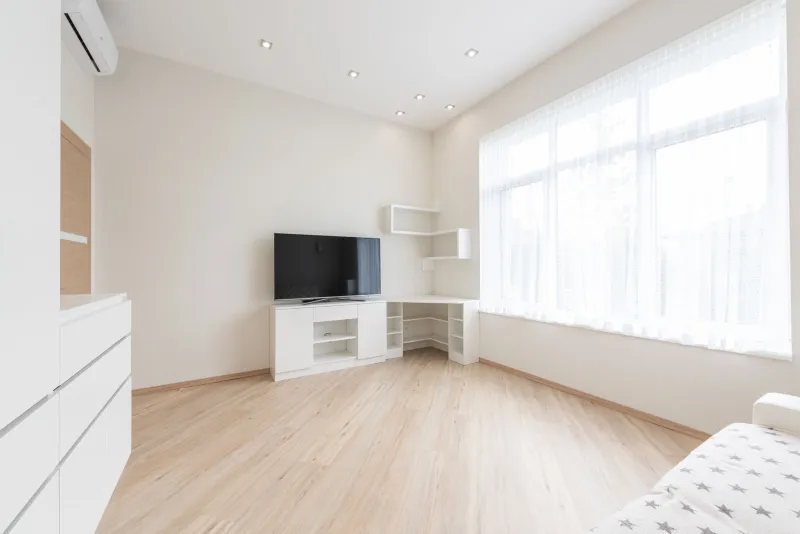
The central insight of European domestic design is deceptively simple: empty space is not an absence. It is a presence. Scandinavian designers have long spoken of negative space — the deliberate gaps between objects — as a material in its own right, one that shapes how a room feels just as surely as the furniture it surrounds.
When a sofa stands alone on a clean expanse of oak flooring, unencumbered by side tables and throw-pillow arrangements, the eye is drawn first to the sofa's form, then to the air around it, then to the room as a whole. The effect is one of proportion, of intention. The piece earns its place precisely because it is not competing with a dozen others.
This principle extends beyond aesthetics into genuine functionality. Rooms with fewer, better-chosen pieces are easier to move through, easier to clean, and — perhaps most importantly — easier to inhabit mentally. Psychological research consistently supports what European designers have known intuitively for generations: visual clutter elevates stress and diminishes the sense of ease that a home is meant to provide.
The Mediterranean Approach: Quality Over Accumulation
In southern Europe, the philosophy takes on a warmer, more sensory character. Italian and Spanish interiors tend to feature a handful of pieces selected with almost ceremonial care — a long dining table of aged walnut, a pair of linen-upholstered chairs, a single ceramic lamp of considerable presence. Each object is expected to carry its weight aesthetically and functionally, and nothing enters the room that cannot meet that standard.
This is a culture shaped in part by architecture. Mediterranean homes, with their thick stone walls, arched doorways, and interior courtyards, were designed to breathe — to allow air and light to circulate freely. Furniture that interrupts that circulation is furniture that works against the house itself. The lesson translates even to an American ranch home or city apartment: when you allow a room to breathe, it performs better in every sense.
The Scandinavian Standard: Fewer Pieces, Greater Craft
Northern European design traditions arrive at a similar destination by a different route. In Denmark, Sweden, and Finland, where long winters demand that the home serve as a genuine sanctuary, there developed a rigorous commitment to craft and longevity. A piece of furniture was not purchased to fill a season's aesthetic mood — it was selected to last decades, perhaps generations, and to improve with use.
The practical consequence of this philosophy is a home furnished with fewer items of considerably higher quality. A single mid-century Danish armchair, properly constructed from solid beech and covered in durable wool, will outlast three generations of mass-produced alternatives and look more distinguished with each passing year. Buying one such piece instead of three lesser ones is not a sacrifice — it is an upgrade, both financially and aesthetically, over any reasonable time horizon.
A Practical Framework for the American Home
Adopting this sensibility does not require gutting your home or abandoning comfort. It requires, instead, a shift in the questions you ask when furnishing a space.
Begin with subtraction, not addition. Before considering any new purchase, spend a week observing which pieces in a given room you actually use and which you navigate around. The furniture you consistently avoid is furniture the room does not need.
Invest in anchor pieces. Identify the one or two objects that define each room — the dining table, the primary sofa, the bed — and allocate the majority of your budget there. These pieces form the foundation around which everything else is organized, and their quality will determine the character of the entire space.
Resist the impulse to fill corners. An empty corner is not a design failure. In European interiors, corners are often left deliberately open, allowing the architecture of the room to assert itself. If a corner genuinely calls for something, consider a single tall plant or a floor lamp — objects that occupy vertical space without cluttering the floor plane.
Choose pieces that serve multiple functions. A generous ottoman that doubles as a coffee table eliminates the need for two separate objects. A console table that serves as both a bar and a display surface consolidates two functions into one elegant form. Multi-use furniture is not a compromise — it is a mark of considered design.
Let walls rest. The American instinct to cover every wall with art, shelving, or decorative mirrors can overwhelm a room's sense of calm. European interiors typically feature one or two carefully chosen wall pieces per room, allowing the wall itself — its color, its texture, its proportion — to contribute to the composition.
The Return on Restraint
There is a certain courage required in furnishing a room with less. American culture, saturated with retail messaging that equates abundance with success, does not naturally prepare us for the quiet confidence of an intentionally spare space. The first instinct, when standing in a room that feels too open, is to fill it.
Resist that instinct, even briefly, and something interesting occurs. The room begins to reveal its own geometry. Light moves across it differently. The pieces that remain — chosen carefully, positioned with purpose — begin to feel significant rather than incidental.
This is the European paradox in its truest form: by placing less in a room, you make more of it. The space itself becomes a luxury, one that no amount of additional furniture could provide. And in an era when square footage is expensive and attention is scarce, a home that offers genuine breathing room may be the most refined statement a room can make.